The Art of Aerial Composition
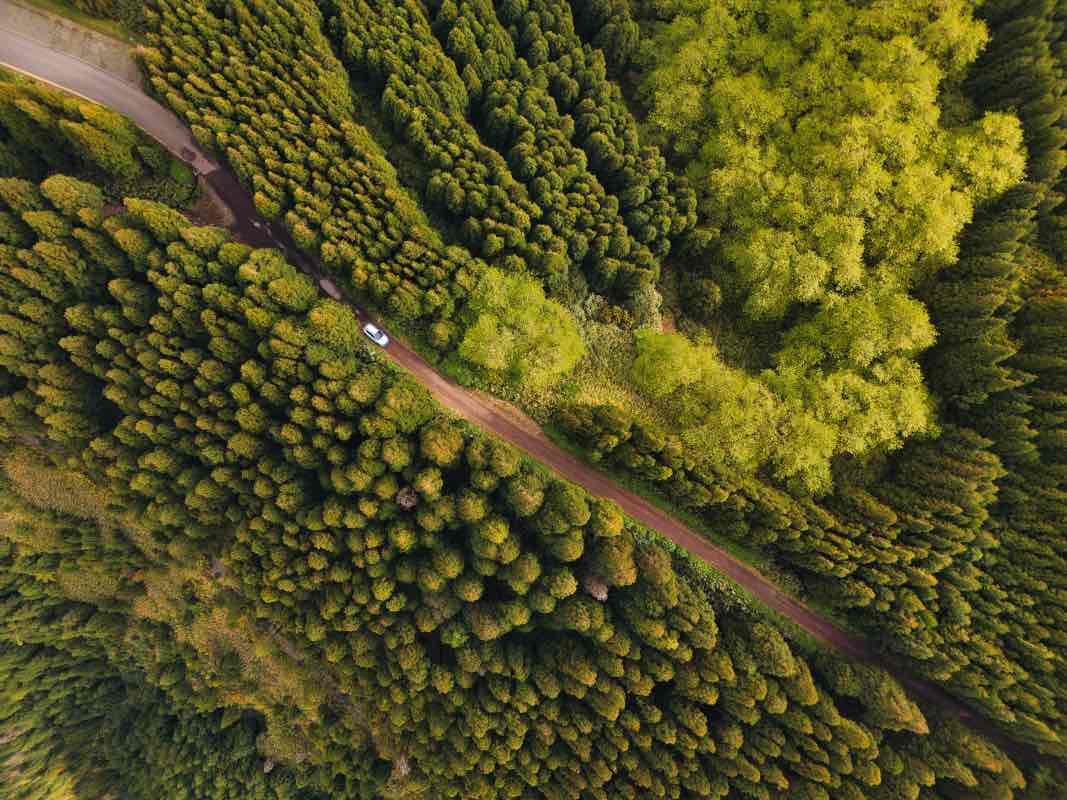
When you lift a camera off the ground, the rules of composition change. Foreground elements flatten, leading lines become geometric, and scale becomes ambiguous in ways that ground-level photography rarely achieves.
The vertical axis
Most photographers think in terms of horizontal movement—stepping left or right to refine a frame. Aerial work adds a third dimension: altitude. Every meter of elevation changes the relationship between elements in your frame.
Pattern recognition
From above, landscapes reveal patterns invisible at eye level. Agricultural fields become abstract grids. Coastlines trace perfect curves. Urban infrastructure forms veins and nodes.
Practical tips
- Start high, then descend — scout the scene at maximum legal altitude before committing to a composition.
- Use the sun as a side light — early morning and late afternoon shadows add depth to otherwise flat terrain.
- Embrace negative space — minimalist aerial work often benefits from vast empty areas that ground the subject.
The best aerial photographs don’t just show a place from above—they reveal something about that place that couldn’t be seen any other way.